 In today’s fast-changing industrial world, picking the right power engines for specific jobs is more important than ever. I came across a recent market report by ResearchAndMarketsthat points out the global market for Industrial Gas Engines might hit around$11 billion by 2027. Plus, it’s growing at a solid rate of about 6.5% from 2020 to 2027. This really highlights how industries need to stay ahead of the curve by adopting newer ignition systems and power solutions that match current trends.
TECHIE Inc., for example, is a big name in the game—they specialize in ignition systems for stationary gas engines and are really leading the charge. They cover over 95% of the popular gas engine brands like GE Jenbacher, MWM, and CAT. Not only do they provide high-quality ignition systems, but they also offer a full-service shop for gas engine spare parts. That way, businesses can keep their engines running smoothly, maximizing efficiency and reliability—especially important when competition is fierce out there.
Understanding Different Types of Power Engines for Industrial Applications
When you're trying to pick the best power engines for industrial use, it’s pretty important to get a good sense of the different types out there and what each one’s good at. Basically, power engines fall into a few categories — like electric motors, internal combustion engines, and hydraulic systems. Did you know that, according to the International Energy Agency (IEA), electric motors make up about 45% of all industrial energy use worldwide? That really shows how efficient and reliable they are, which is probably why so many industries prefer them.
On the flip side, internal combustion engines are still super relevant, especially in industries where mobility and power density matter a lot — think construction sites or transport. The U.S. Energy Information Administration (EIA) actually reports that nearly 85% of energy used in transportation still comes from fossil fuels, so combustion engines are far from outdated, even with the push for electric vehicles.
And let’s not forget hydraulic systems — they play a huge role in everything that needs high force and precision, like lifting heavy stuff or controlling machinery. The global hydraulic pump market is expected to hit around $13 billion by 2027, which just shows how much demand there’s for these specialized systems.
Getting a good grip on these different options and trends is key for anyone in the industry who wants to improve efficiency, cut down on energy costs, and keep up with growing productivity demands.
How to Select the Best Power Engines for Your Industrial Needs Based on Market Trends
| Engine Type | Power Output (kW) | Fuel Type | Efficiency (%) | Common Applications |
| Diesel Engine | 750 | Diesel | 90 | Construction, Mining |
| Gas Engine | 600 | Natural Gas | 88 | Power Generation |
| Electric Motor | 500 | Electricity | 95 | Manufacturing, HVAC |
| Hybrid Engine | 700 | Diesel/Electric | 92 | Transport, Construction |
| Gas Turbine | 1000 | Natural Gas | 85 | Power Plants, Aerospace |
Key Market Trends Influencing Power Engine Selection in Industries
When you're choosing power engines for industrial uses, it’s pretty important to get a handle on what's happening in the market right now. For instance, in the U.S., sales of generators are expected to see some solid growth, especially when you look at different power ranges—like those under 75 kVA or over 750 kVA. This kind of segmentation helps companies pick the right equipment based on what they need and how efficient they want to be.
On a global scale, the electrolyzer market looks pretty exciting too. It’s projected to jump from about $472 million in 2024 to over $717 million by 2032, which means it’s growing at roughly 5.38% annually. This really shows how industries are increasingly leaning toward hydrogen production as a greener, more sustainable option. Same thing goes for silent generators—these guys are expected to see growth in all sorts of forms, whether portable or standby units, with power ratings from just 1 kVA right up to over 500 kVA. They’re super versatile for all kinds of modern industrial needs.
And with renewable energy gaining more traction, experts are saying the global market could grow from roughly $1 trillion in 2024 to over $1.5 trillion by 2032. Basically, there’s a big shift happening—companies are moving toward cleaner, greener power sources, and it’s essential for businesses to invest in reliable yet eco-friendly engines if they want to stay competitive. All of this stuff really highlights how connected the industry is to future energy trends—important info if you’re trying to make smart choices for the future.
Evaluating Performance Metrics of Power Engines for Optimal Use
When you're choosing power engines for industrial use, it's really important to look at performance metrics to make sure you get the most out of them. Things like horsepower, fuel efficiency, torque, and how durable the engine is — those are the key factors to keep in mind. Understanding these details helps you pick the right engine that matches your specific operational needs. For example, if your setup involves heavy machinery, you’ll want to go for engines that deliver high torque, so everything runs smoothly under load.
**Pro tip:** Always take a good look at what your operations actually require before making a decision. Think about how much power you really need for the tasks at hand and if the engine complies with safety standards. Cutting corners to save a buck on cost might seem tempting, but it could end up costing you more in maintenance and downtime down the line.
Beyond just performance, don’t forget reliability and how much maintenance an engine will need. A dependable engine keeps things running with fewer hiccups, and knowing how often it needs servicing can save you some cash in the long run. It’s a good idea to check out the manufacturer’s service records and go with engines that have a solid track record in similar industrial setups.
**Another tip:** Chat with other professionals in the industry or get recommendations if you can. Sometimes, real-world experiences tell you more than specs alone and can really help you pick something that’s a perfect fit for your unique environment.
Performance Metrics of Power Engines for Industrial Applications
Cost-Effectiveness Analysis of Various Power Engine Types
When you're choosing power engines for industrial use, it’s really important to take a good look at the cost and how effective different types are—especially now, with market trends shifting so quickly. Did you know that the global market for Combined Heat And Power (CHP) systems is expected to jump from about 19 billion dollars in 2025 to over 30 billion by 2032? That’s a solid growth rate of nearly 7% every year. It really shows that more industries are leaning toward energy solutions that are both efficient and eco-friendly, which makes choosing the right power engine more critical than ever.
And it’s not just CHP systems—generator sales are also on the rise, with growth predicted based on things like power ratings and fuel types. For example, the global generator market is classified into categories like under 75 kVa and over 750 kVa. As more companies adopt cleaner energy sources, I’d bet we'll see a noticeable boost in demand for natural gas engines. These are projected to grow from around 5.3 billion dollars in 2025 to roughly 8 billion by 2032. Keeping all these trends in mind really helps businesses make smarter choices about which power engines to go for—ones that fit their operational needs and also help meet sustainability goals.
It’s all about staying ahead of the curve, right?
Environmental Considerations in Choosing Industrial Power Engines
When it comes to picking industrial power engines these days, folks are really starting to pay more attention to the environment. I read a report from the International Energy Agency that said about 40% of all energy used worldwide is from industrial sources—that’s a huge chunk! So, naturally, choosing engines that are not just powerful but also energy-efficient and eco-friendly can make a real difference in cutting down carbon emissions. For example, switching over to natural gas engines can reduce CO2 emissions by up to 27% compared to regular diesel ones. That’s pretty significant, especially with all the global efforts to fight climate change.
On top of that, stricter rules about emissions have been pushing manufacturers to come up with cleaner tech. The U.S. EPA, for instance, now insists that new engines meet really tough emissions standards. That’s sparked some serious innovation in engine design. According to a study by MarketsandMarkets, the market for low-emission engines is expected to jump from around $2.4 billion in 2021 to about $4.5 billion by 2026. It’s clear that the industry is moving more and more toward sustainable options. By keeping these environmental factors in mind, industries can not only stay ahead of regulations but also boost their overall sustainability—and save some bucks on operational costs while they’re at it.
Future Outlook: Innovations in Power Engine Technology for Industries
Looking ahead, the future of power engine technology is really exciting—it's set to bring some game-changing innovations that could totally reshape how industries operate. I came across a report by MarketsandMarkets that says the global industrial engine market might hit around $12.9 billion by 2027, growing at roughly 4.5% annually. That’s a solid growth, and it’s mostly fueled by smarter engine designs that are more efficient and the growing push for sustainable energy sources. Manufacturers are pouring a lot of resources into developing hybrid and electric engines, trying to push past traditional systems to meet tougher regulations and cut down on emissions.
On top of that, new tech like digital twins and IoT integration are really shaking things up in how industries choose and manage power engines. A study from Deloitte mentioned that about 70% of industrial companies are planning to adopt these kinds of technologies by 2025. It’s pretty amazing—these tools can boost predictive maintenance and give better insights into performance, which means companies can make smarter, data-backed decisions based on their specific power needs. As these advances become more common, staying up-to-date with market trends is definitely important if businesses want to get the most out of the next generation of power engines.
Maximize Engine Performance: The Ultimate Guide to TECHIE Industrial Spark Plugs for Top Gas Engine Brands
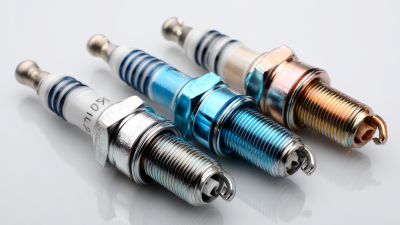
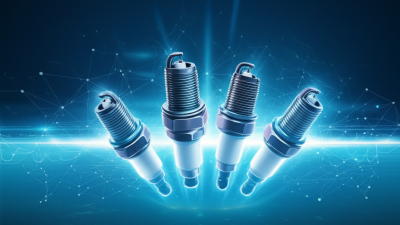
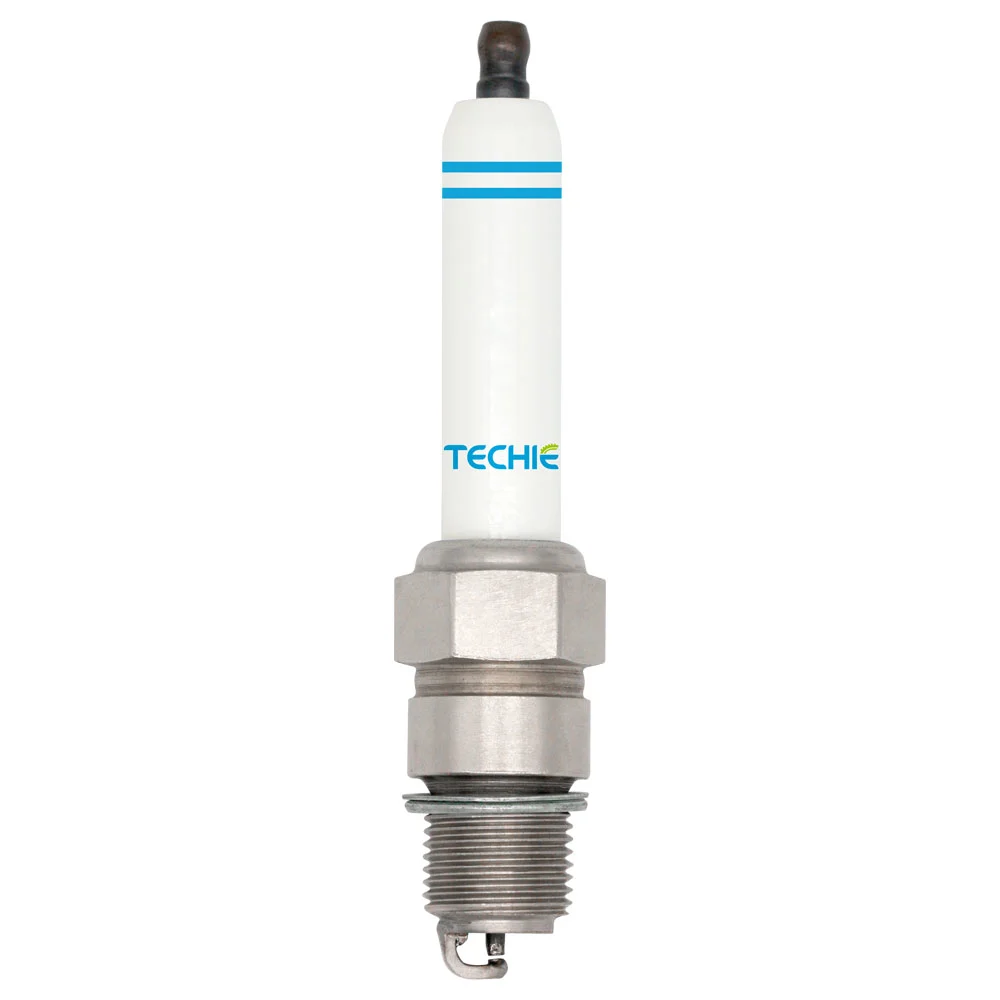
When it comes to optimizing engine performance, the choice of spark plugs plays a crucial role, especially for industrial gas engines. TECHIE Industrial Spark Plugs are designed to meet the rigorous demands of top gas engine brands such as CAT, Cummins, Perkins, Waukesha, Guascor, and Wartsila. These plugs not only enhance ignition efficiency but also contribute to improved fuel economy and reduced emissions. According to a study by the Society of Automotive Engineers (SAE), using high-quality spark plugs can improve engine performance by up to 12%, making them an essential investment for operators looking to maximize productivity.
The TECHIE spark plugs are direct replacements for Bosch 7308, MR3DII360, and other leading models like CAT3516 and DEUTZ TBG616. Their robust design ensures longevity and reliability, capable of functioning optimally even under extreme conditions. A report from the Engine Manufacturers Association (EMA) highlights that consistent maintenance, including spark plug replacement, can lead to a significant decrease in operational costs, as well as a lifespan enhancement of up to 20% for the engine systems.
By choosing TECHIE industrial spark plugs, businesses can assure themselves of compatibility and performance, aligning with the unique specifications of each engine brand. This tailored approach not only maximizes efficiency but also positions companies to stay ahead in a competitive market. Embracing such advanced spark technology is vital for any operation focused on peak engine performance.
FAQS
: Environmental considerations are crucial because industrial energy use accounts for nearly 40% of total global energy consumption. Choosing energy-efficient and eco-friendly engines can significantly reduce carbon emissions.
Switching to natural gas engines can lower CO2 emissions by as much as 27% compared to traditional diesel engines.
Stricter regulations on emissions set by agencies such as the U.S. Environmental Protection Agency have influenced manufacturers to innovate and develop engines that meet stringent emissions standards.
The market for low-emission engines is projected to grow from USD 2.4 billion in 2021 to USD 4.5 billion by 2026, reflecting a shift towards more sustainable options.
The global industrial engine market is projected to reach $12.9 billion by 2027, with a compound annual growth rate (CAGR) of 4.5%.
Manufacturers are heavily investing in developing hybrid and electric power engines to meet stringent regulatory standards and lower carbon emissions.
These technologies enhance predictive maintenance and performance monitoring, allowing industries to optimize operational efficiency and make data-driven decisions regarding their power needs.
Around 70% of industrial companies are expected to adopt technologies like digital twins and IoT integration by 2025.
By prioritizing environmental considerations, industries can comply with regulations, improve their sustainability footprint, and reduce operational costs.
Staying informed about market trends enables industries to harness the benefits of transformative innovations and the next generation of power engines.
Conclusion
In today’s industrial world, picking the right power engines is pretty essential if you want to boost performance and keep things running smoothly. At first glance, understanding the different types of engines out there is the best way to make a smart decision. Right now, a few key trends are shaking things up — things like new tech breakthroughs, stricter regulations, and changes in energy sources. When companies compare performance metrics, they can figure out which engines are actually suited to their specific needs. And doing a good cost-benefit analysis helps make sure their budgets and performance goals are on the same page.
Plus, environmental concerns are playing a bigger role than ever in choosing the right engine — everyone’s coming around to more sustainable practices these days. Looking ahead, innovations in power engine tech are expected to make things even more efficient and eco-friendly, pushing us toward a greener industrial landscape. Here at TECHIE Inc., we’re all about providing reliable ignition systems for a variety of gas engines. We want to help our customers make smarter choices and get the most out of our full range of services — because we know how important it is to get things right the first time.