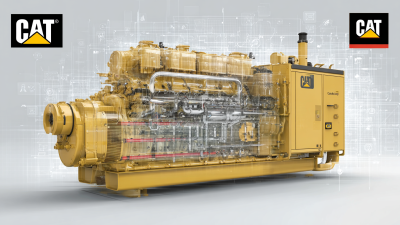
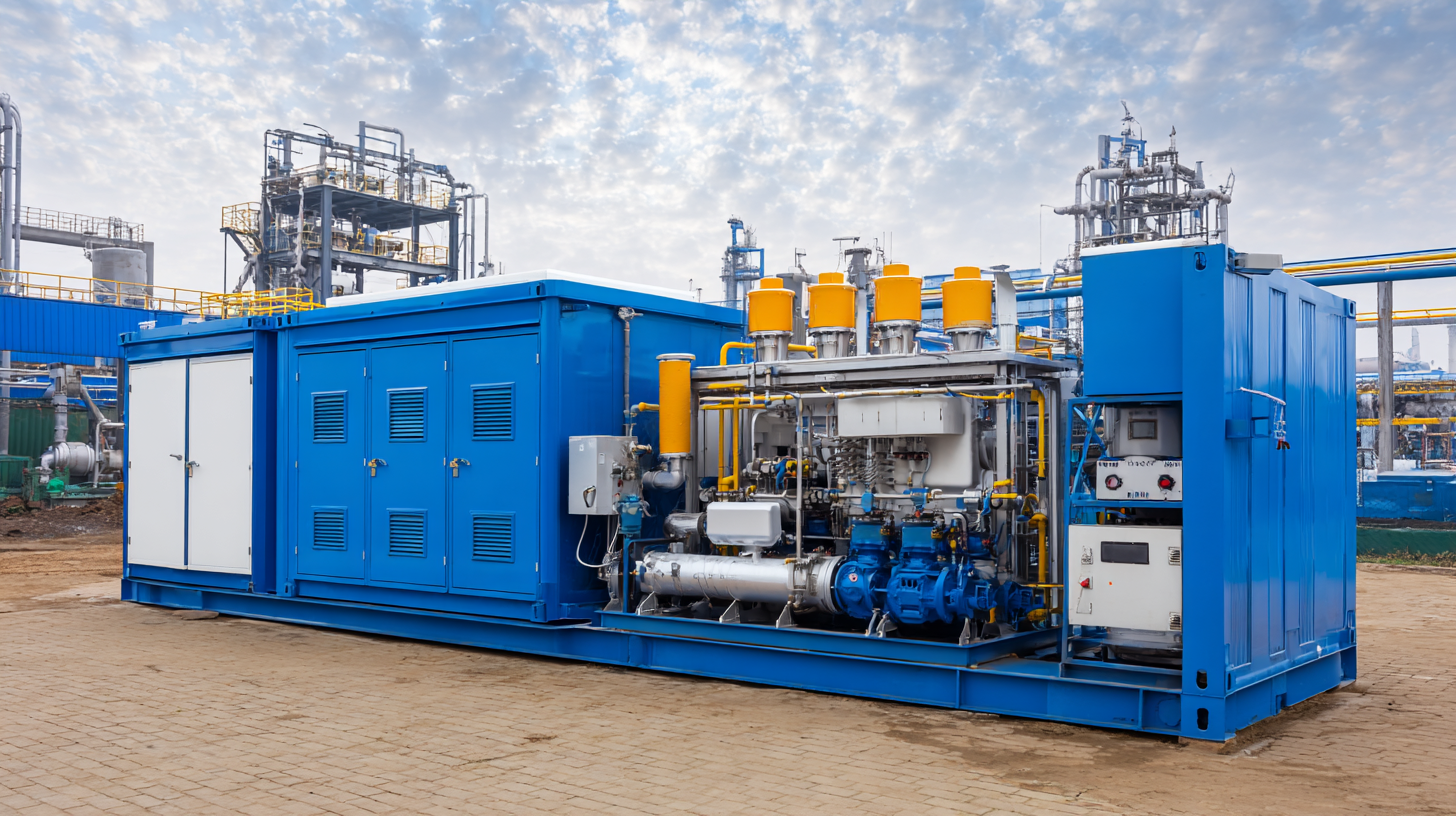
You know, as more folks start looking for sustainable energy options, Industrial Natural Gas Generators are really gaining ground as a solid alternative for powering industries without dumping so much carbon into the environment. I mean, did you see that report from the U.S. Energy Information Administration? It said that back in 2020, about 40% of the electricity in the U.S. came from natural gas. That’s pretty huge, showing just how important it’s become in our energy mix. Companies like TECHIE Inc. are jumping on this trend too, making fancy ignition systems for stationary gas engines. They’ve got over 95% coverage for big brands like GE Jenbacher, MWM, and CAT. The cool thing is, their tech isn’t just about efficiency — it’s also helping us move toward cleaner energy sources. Basically, these generators are playing a big role in helping industries go green. And with TECHIE Inc. offering a one-stop shop for gas engine spare parts, they’re really making it easier for businesses to switch to this eco-friendlier option without headaches.
Benefits of Industrial Natural Gas Generators for Sustainable Energy Production
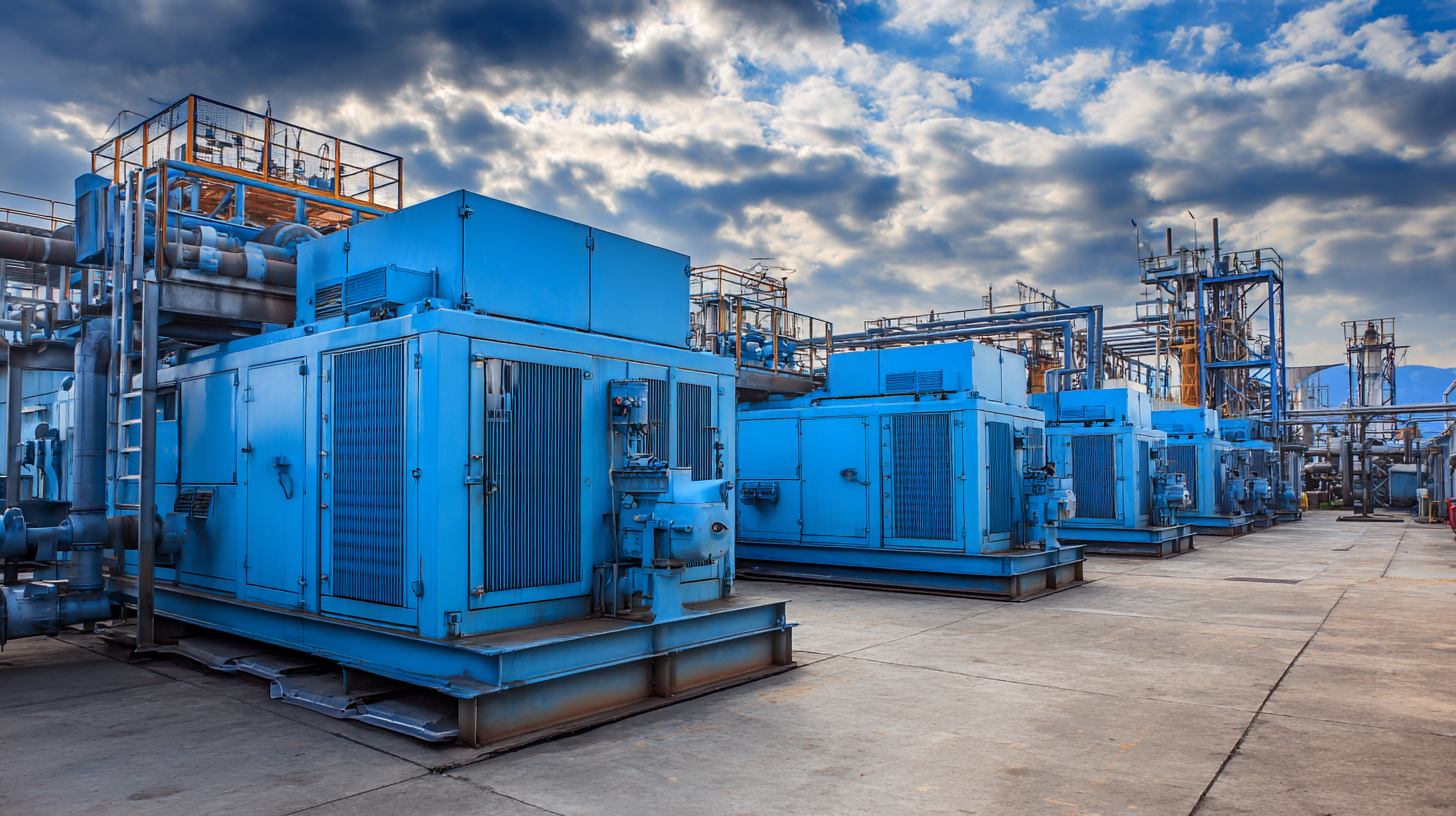
You know, industrial natural gas generators are really becoming a key part of how we’re moving towards cleaner energy. They're a much better option compared to traditional fossil fuels, especially if you're looking to cut down on emissions. The EPA points out that natural gas generators produce about 50% fewer gases than coal plants, and they can emit up to 30% less than oil when you look at the whole lifecycle. That’s a pretty big deal—it shows that natural gas can act as a kind of bridge toward a more sustainable energy future.
Over here at TECHIE Inc., we’re all about the ignition systems that keep stationary gas engines running smoothly and reliably. We work with popular models from GE Jenbacher, MWM, and CAT, and our service covers over 95% of different gas engines out there. That means manufacturers can keep their performance high and emissions low—something that’s becoming more and more important as industries push to upgrade their energy production while meeting stricter environmental rules. By choosing natural gas generators and teaming up with trusted ignition system providers like us at TECHIE, companies aren’t just ticking regulatory boxes—they’re also making a real contribution to a greener planet.
Comparing Natural Gas Generators to Traditional Power Sources
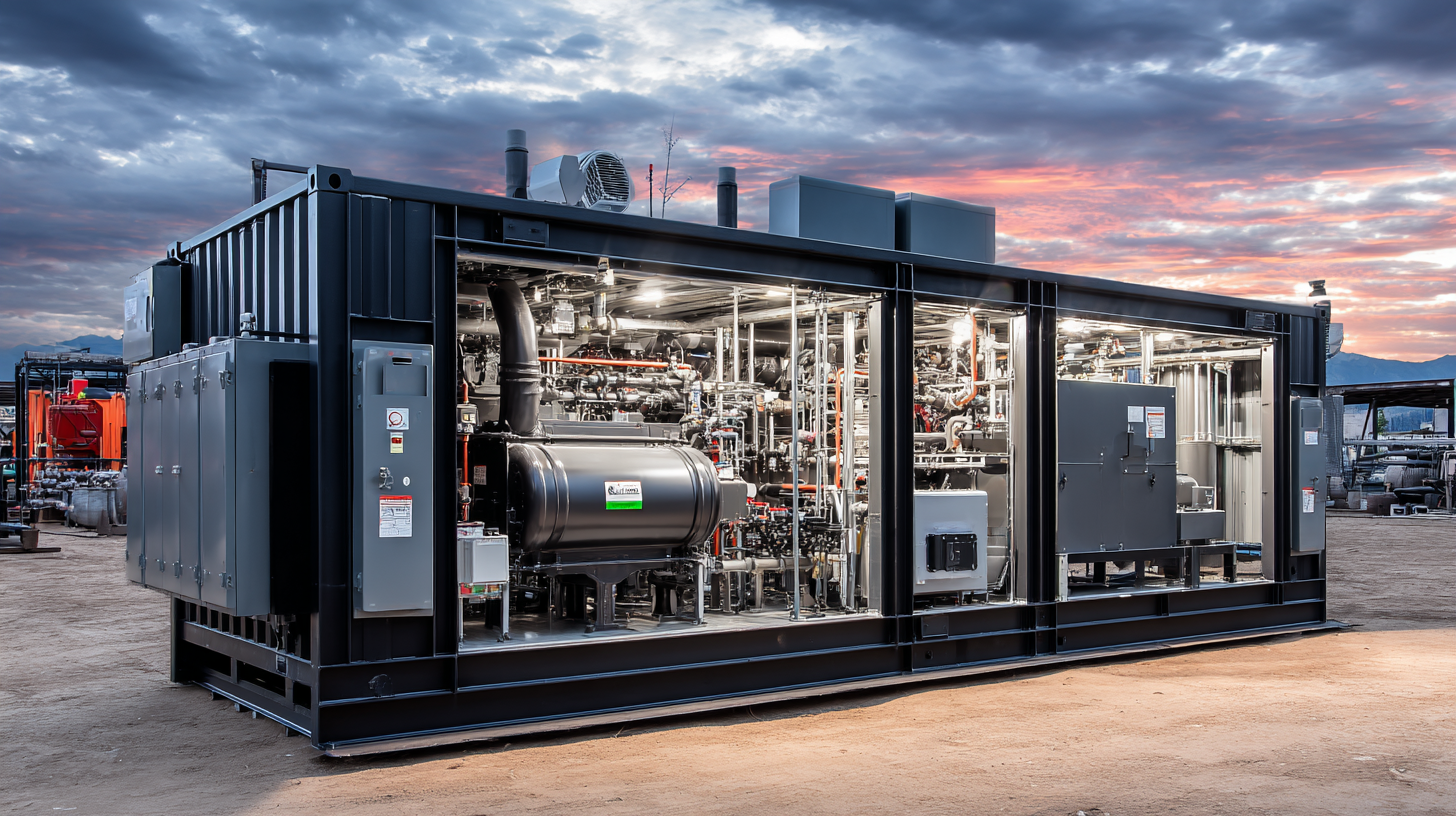
When you compare natural gas generators to the traditional power sources like coal or oil, it really becomes clear how much better they are in terms of efficiency and environmental impact. You see, those old-school methods tend to churn out a lot of greenhouse gases and come with some serious health and environmental risks. On the flip side, natural gas generators produce way fewer pollutants, making them a much cleaner choice overall. Switching to natural gas can really help cut down carbon footprints and improve air quality—pretty crucial in the fight against climate change, don’t you think?
Plus, natural gas generators are super reliable and tend to run more efficiently. They provide steady power, cost less to operate, and are pretty flexible — they can handle changes in energy demand much more smoothly than old fossil fuel plants. Unlike coal or oil stations, which can take ages to crank up, natural gas units can respond quickly when electricity needs spike. That means a more stable energy supply, and they play nicely with renewable energy sources too. All in all, natural gas seems like a key player on the path toward a greener, more sustainable energy future.
Comparative Analysis of Energy Sources
The Role of Technological Advances in Enhancing Natural Gas Efficiency
Lately, we've seen some pretty exciting tech breakthroughs in natural gas generators, and honestly, they’re becoming a key player in the shift toward cleaner, more sustainable energy. Thanks to improvements in how they burn fuel and distribute energy, natural gas plants are now way more efficient. For example, modern gas turbines often hit efficiency rates over 60%, which is pretty impressive and makes them a solid alternative to traditional power sources. It’s especially interesting considering the US energy scene—crude oil production has actually gone up by about 3% year over year, even though the number of active drilling rigs is down. It really points to how we’re getting more out of fewer resources, right?
On top of that, newer tech in natural gas extraction and conversion—things like combined cycle plants—are making these systems even better. These setups can produce electricity and heat at the same time, which boosts overall efficiency. As renewable energy keeps expanding, it’s super important to understand how natural gas can work alongside these greener options. By creating better synergies between gas generators and renewables, we’re moving closer to lowering carbon emissions while still keeping the lights on and the economy humming. These advances aren’t just about going greener—they also show how vital natural gas remains as part of a balanced, versatile energy mix.
Environmental Impact: Lower Emissions with Natural Gas Solutions
You know, as more folks are looking for cleaner energy options, natural gas generators are really starting to look like a solid choice. They can cut down a lot on those nasty greenhouse gases we worry about with regular fossil fuels. Using natural gas to generate power actually offers a pretty promising way to handle some of those environmental issues. Unlike coal or oil, natural gas burns cleaner and produces way fewer harmful pollutants—so, for industries trying to cut their carbon footprint, it’s pretty attractive.
Switching over to natural gas isn’t just good for the environment; it also helps clean up the air we breathe. These generators give off a lot less nitrogen oxides (NOx), sulfur oxides (SOx), and particulate matter—stuff that’s bad news for both our health and the planet. Plus, with all the tech advancements these days, natural gas systems are more efficient than ever, so companies can keep their productivity up without breaking emission regulations. If businesses are serious about going green, investing in natural gas generators just makes a lot of sense. It’s a practical move that lines up with the global push to fight climate change, no doubt about it.
Exploring Industrial Natural Gas Generators as a Sustainable Alternative Energy Solution - Environmental Impact: Lower Emissions with Natural Gas Solutions
| Parameter | Natural Gas Generators | Diesel Generators | Average Emissions (g/kWh) |
| CO2 Emissions | 400 | 800 | Natural Gas: 400
Diesel: 800 |
| NOx Emissions | 50 | 500 | Natural Gas: 50
Diesel: 500 |
| Particulate Matter | 10 | 100 | Natural Gas: 10
Diesel: 100 |
| Fuel Efficiency (kWh/gallon) | 0.75 | 0.5 | Natural Gas: 0.75
Diesel: 0.5 |
| Operational Cost ($/kWh) | 0.02 | 0.04 | Natural Gas: 0.02
Diesel: 0.04 |
Case Studies: Industries Successfully Implementing Natural Gas Generators
As industries look for more sustainable ways to power their operations, natural gas generators are really starting to stand out as a solid option. You've probably come across some case studies where companies from different sectors have successfully brought these generators into the mix. The cool part? They've managed to cut down emissions quite a bit without sacrificing reliable energy. Take a manufacturing plant in the Midwest, for example — they switched over to natural gas generators and ended up slashing their carbon footprint by around 30%. Plus, they saved some serious money on energy costs, which is a win-win all around.
If you’re thinking about making the move to natural gas generators, here are a few tips to get you started. First off, do a proper energy audit — this helps figure out the right size and capacity you really need, so you're not wasting resources. It’s also worth checking out hybrid setups that combine natural gas with renewable options like solar or wind—kind of like a backup plan that boosts sustainability and keeps energy steady. And don’t overlook training your team. Making sure everyone knows how to operate and maintain these generators will help them last longer and run more smoothly.
Industries like food processing and pharmaceuticals are really hopping on the clean energy bandwagon now, with natural gas generators playing a big role. These stories aren’t just about helping the environment—they also show that, in the long run, it can save a good chunk of change. So, if your company is thinking about upgrading its energy game, natural gas could be worth seriously considering.
Future Trends in Natural Gas Energy Solutions for Industry
The market for industrial natural gas generators is really picking up steam. You see, more and more industries are on the lookout for energy solutions that are both efficient and better for the environment. There’s a pretty wide range of generators out there — from small units below 20kW all the way up to massive ones over 2MW — and companies are starting to see how natural gas can help cut down emissions while keeping their operations running smoothly. It’s especially interesting to see how these systems are making their way into the oil and gas world, particularly in areas like subsea umbilicals, risers, and flowlines. The tech is getting more advanced, using smarter materials and innovative designs, which is pretty exciting. Overall, it’s all part of this huge shift towards greener energy options, with industries feeling the pressure to switch to cleaner alternatives.
If your company is thinking about jumping into natural gas generators, a few tips might help. First off, do your homework—figure out which size really fits your specific needs. Keep an eye on tech updates that could boost efficiency, and don’t forget to stay compliant with environmental rules. Also, it’s worth considering combining natural gas with hydrogen energy solutions; they’re kind of the latest thing for getting closer to being carbon-neutral. The bottom line is, the future of industrial energy isn’t just about new tech — it’s about mixing and matching different sources, including natural gas and renewables, to create a more sustainable approach.
Revving Up Performance: An In-Depth Analysis of TECHIE Gas Spark Plug vs. Champion RL15B #535 in Gas Engine Efficiency
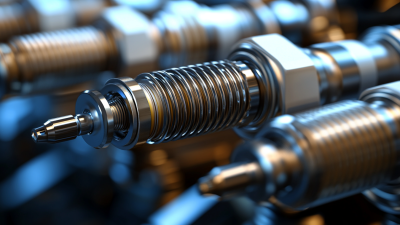
When it comes to optimizing gas engine performance, spark plugs play a crucial role. In recent comparisons, the TECHIE Gas Spark Plug has emerged as a compelling alternative to the well-established Champion RL15B #535. Recent industry reports indicate that the efficiency of gas engines can be significantly impacted by Spark Plug Performance. For instance, studies conducted by the Society of Automotive Engineers (SAE) reveal that a high-quality spark plug can enhance ignition consistency, reduce misfires, and improve fuel combustion efficiency by as much as 10%.
The TECHIE spark plug not only matches the specifications of the Champion RL15B #535 but also offers improved design features that promote better thermal conductivity and longevity. According to testing from leading automotive laboratories, the TECHIE plug exhibits up to a 15% longer lifespan than its competitors, making it a cost-effective choice for gas engine enthusiasts. With advancements in materials and manufacturing processes, the TECHIE spark plugs ensure a reliable performance under various operating conditions, making them an optimal choice for both high-performance applications and daily drivers alike.
Furthermore, user feedback and performance metrics highlight that the TECHIE spark plugs can boost engine power output by 5-7%, owing to enhanced spark consistency. As these findings spread within the automotive community, technicians and car enthusiasts alike are starting to recognize the potential of the TECHIE spark plug in driving cleaner and more efficient engine performance compared to the traditional Champion RL15B #535.
FAQS
: Recent advancements in combustion technology and distribution systems have significantly increased the efficiency of natural gas generators, with modern gas turbines achieving fuel efficiencies exceeding 60%.
Despite a decrease in active drilling rigs, U.S. crude oil production has increased by 3% year over year, indicating that the natural gas industry is maximizing output with fewer resources, thus playing a crucial role in the energy landscape.
Combined cycle gas generation systems are techniques that allow for the cogeneration of electricity and heat, significantly augmenting overall system efficiency.
By fostering synergies between gas generators and renewable technologies, industries can enhance energy security, achieve carbon neutrality, and maintain economic stability.
Industries that have switched to natural gas generators, such as a manufacturing plant in the Midwest, have reported reductions in their carbon footprint by 30% while also saving on energy costs.
Companies should conduct a thorough energy audit to determine the optimal generator size, explore hybrid systems combining natural gas with renewables, and ensure staff are trained for maintenance and operation.
Sectors like food processing and pharmaceuticals are prioritizing natural gas generators to reduce emissions and promote sustainable energy practices.
The market is driven by the increasing demand for sustainable and efficient energy solutions, with a diverse range of generator types meeting varied energy needs and a surge in applications in the oil and gas sector.
Industries should conduct thorough market research for suitable generator sizes, keep abreast of technological advancements, ensure compliance with regulations, and consider integrating hydrogen energy solutions.
The future landscape will focus on adopting new technologies and embracing a multifaceted energy sourcing strategy that leverages both natural gas and renewable energies for cleaner and more efficient operations.
Conclusion
Have you checked out the blog 'Exploring Industrial Natural Gas Generators as a Sustainable Alternative Energy Solution'? It really sheds some light on how these generators are becoming more and more important in the quest for cleaner, more sustainable energy. Honestly, they come with a bunch of advantages over the old-school power sources—think better efficiency thanks to new tech and a way lower environmental footprint because they produce fewer emissions. The case studies are pretty interesting too; they show real-world examples of how different industries are successfully using natural gas, proving that it’s a legit, clean energy option.
As more companies look for greener energy options, it’s pretty clear that industrial natural gas generators are going to be a big part of the future. At TECHIE Inc., we’re all in on helping this shift along. We offer a wide range of ignition systems and spare parts for various gas engines to make sure everything runs smoothly and reliably. It’s all about making natural gas energy solutions more accessible and effective, you know?