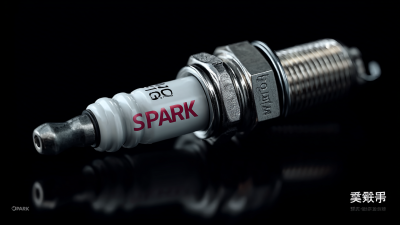
Picking the right spark plug for your car isn’t just a small detail—it can really make a difference in how your engine runs. I read a recent report from Market Research Future, and apparently, the global spark plug market is on the upswing, with a compound annual growth rate of around 3.5% through 2026. That’s pretty interesting because it shows more folks are paying attention to car maintenance and efficiency these days.
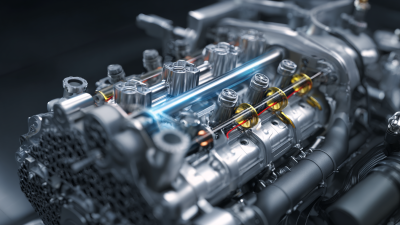
Now, spark plugs are pretty vital when it comes to your vehicle’s ignition system. Basically, they’re the ones firing up the air-fuel mixture inside the engine. If you go for a good quality spark plug, it can actually help your car run smoother, save some gas, cut down on emissions, and just generally boost performance. Brands like NGK and Denso are pretty much the big players—mainly because they’ve got some advanced tech and make solutions for all kinds of engines.
But here’s the thing—many drivers forget how important this tiny component really is. Sometimes people pick the wrong spark plugs without any advice or research, and that can lead to engine problems or poor performance. Honestly, it’s always a good idea to understand what kind of spark plug your car needs. Do some homework or talk to a professional before making a switch. Better safe than sorry, right?
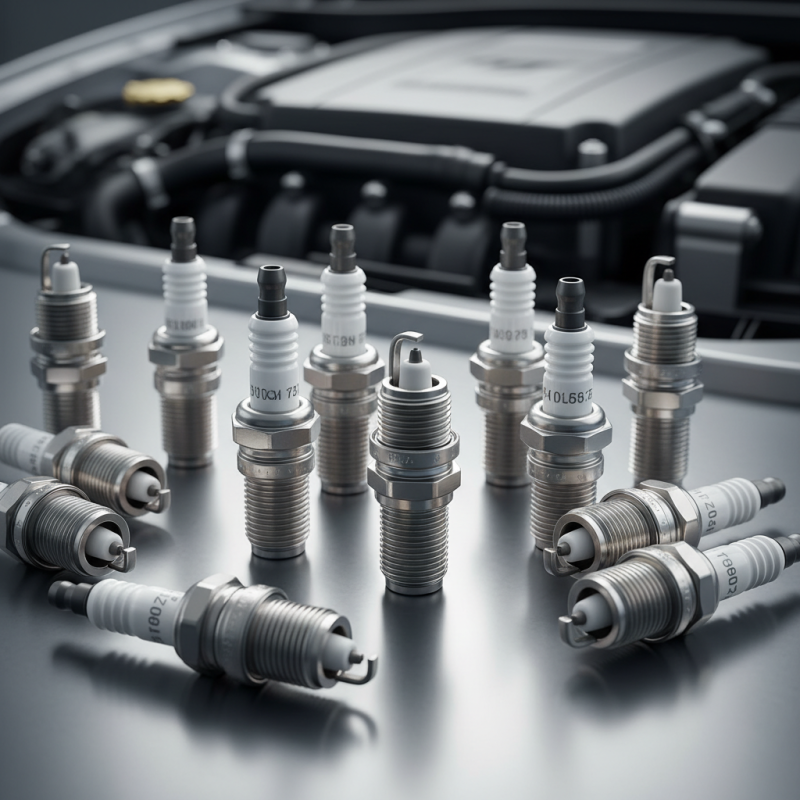
Understanding Spark Plugs: What They Do and Why They Matter
Spark plugs play a crucial role in a vehicle’s engine performance. They ignite the air-fuel mixture in the combustion chamber. This process is vital for your engine to generate power. A well-functioning spark plug helps in maximizing fuel efficiency, which is essential in today's economy. According to industry studies, faulty spark plugs can decrease fuel economy by up to 30%. This highlights the significance of routine maintenance.
Understanding spark plugs means knowing their construction and function. They consist of a metal shell, insulator, and electrodes. Each component must withstand extreme temperatures and pressures. Over time, these parts wear down. Regular inspections can help identify potential issues. Reports indicate that replacing spark plugs every 30,000 miles or so can improve engine performance by 20%. However, many overlook this simple maintenance task.
The right spark plug can also influence emissions. Spark plugs that are not optimal can lead to incomplete combustion. This may result in a vehicle failing emissions tests. Inadequate performance not only affects the environment but can also increase repair costs. As the automotive industry evolves, staying informed about spark plug advancements is crucial. Vehicles today often require specific types, which necessitates careful selection to avoid performance setbacks.
Types of Spark Plugs: Comparing Copper, Platinum, and Iridium
When choosing spark plugs, it's vital to understand their types. Copper, platinum, and iridium spark plugs are common options. Each type has distinct features affecting performance and longevity.
Copper spark plugs are traditional and affordable. They have excellent conductivity, which ensures quick ignition. However, they wear out faster than other materials. Research shows they last about 20,000 miles. This short lifespan can be a drawback for many drivers who seek durability.
Platinum Spark Plugs offer a longer life span of around 60,000 miles. Their design allows for better heat dissipation. While they perform adequately, they can sometimes produce less spark power than copper plugs. Iridium spark plugs, on the other hand, boast an impressive lifespan of 100,000 miles. They provide a consistent spark under various conditions. However, they come at a higher cost. Choosing between these options involves weighing performance against longevity and price. The ideal spark plug depends on your specific vehicle needs.
Factors to Consider When Choosing Spark Plugs for Your Vehicle
When choosing spark plugs for your vehicle, several factors come into play. The type of spark plug is crucial. You can select between copper, platinum, or iridium options, each with varying lifespans and performance. Copper plugs are affordable but wear out quickly. Platinum and iridium are more expensive but generally last longer. Make sure to match the plug type with your engine's requirements.
Temperature range is another key consideration. A plug that functions well in summer might not perform in winter. Check your vehicle's manual for the recommended heat range. Incorrect choices can lead to engine misfires or wasted fuel. Additionally, the gap size of the spark plug is vital. A gap that is too wide or too narrow can affect ignition and combustion efficiency. Be precise when measuring.
Lastly, consider how driving conditions affect Spark Plug Performance. Frequentshort trips can lead to deposits on the plugs. This may require more frequent changes. Reflecting on your driving habits can help make the right decision. It’s not just about picking something good; it’s about what suits your specific needs. Be proactive in keeping tabs on your spark plugs. Regular checks ensure optimal performance and efficient engine operation.
Top Spark Plug Brands for 2026: A Comprehensive Review
When selecting spark plugs for your vehicle in 2026, it's important to understand the options available. Many leading experts recommend considering factors like material, heat range, and design. According to industry reports, copper, iridium, and platinum are popular materials. Each comes with different longevity and performance metrics. For instance, iridium plugs tend to last longer, up to 120,000 miles, compared to copper, which typically lasts around 30,000 miles.
Tip: Regularly checking spark plugs can prevent engine issues. Look for signs like misfiring or decreased fuel economy. These could indicate worn plugs that need replacing.
Different brands offer unique features. Some plugs boast special coatings to enhance durability. Others may have unique electrode designs aimed at improving ignition efficiency. However, not every plug will suit every vehicle. It's essential to match specifications to your engine's requirements.
Tip: Consult your vehicle's manual for compatibility. This can save you from making costly mistakes. Remember, not all high-performance plugs guarantee better results. Sometimes, the best option is a reliable standard plug that fits well.
How to Install Spark Plugs: Step-by-Step Guide
Installing spark plugs is crucial for optimal engine performance. Gather your tools first: a socket wrench, a gap tool, and a torque wrench. Make sure to work in a well-lit area. Safety gear, like gloves and goggles, is important, too.
Start by disconnecting the battery. This helps prevent any electrical issues. Remove the old spark plugs using the socket wrench. Be mindful of debris falling into the engine. Take your time here; rushing can lead to mistakes. Check the gap on the new spark plugs with the gap tool. It should meet the manufacturer's specifications.
Insert the new spark plugs carefully. Don’t overtighten them; it can damage the threads. Use a torque wrench to ensure proper tightness. Reconnect everything, including the battery. After starting the engine, listen for any unusual noises. If something seems off, you might need to rethink your steps. Small errors can lead to larger issues later on.
2026 Top Spark Plug for Your Vehicle: Choosing the Best Option
| Spark Plug Type | Material | Heat Range | Service Life (miles) | Suitability |
| Copper | Copper Core | Standard | 20,000 - 30,000 | Classic Engines |
| Platinum | Platinum Tip | Cold to Hot | 60,000 - 100,000 | Modern Engines |
| Iridium | Iridium Center Electrode | Hot | 100,000+ | Performance Vehicles |
| Double Platinum | Platinum on Both Electrodes | Moderate | 60,000 - 100,000 | Fuel-efficient Engines |
| Laser Iridium | Laser-Welded Iridium | Extreme | 100,000+ | High-performance Racing |
How to Install Spark Plugs: Step-by-Step Guide
| Step | Description |
| 1 | Gather Required Tools (ratchet, spark plug socket, torque wrench). |
| 2 | Allow Engine to Cool Before Starting the Installation. |
| 3 | Remove the Ignition Coil or Wire from the Spark Plug. |
| 4 | Use the Spark Plug Socket to Remove the Old Spark Plug. |
| 5 | Check the Gap of the New Spark Plug and Adjust if Necessary. |
| 6 | Install the New Spark Plug by Hand, Then Tighten with the Socket. |
| 7 | Reconnect the Ignition Coil or Wire. |
| 8 | Repeat for Remaining Spark Plugs and Test the Engine. |
Common Issues with Spark Plugs and How to Diagnose Them
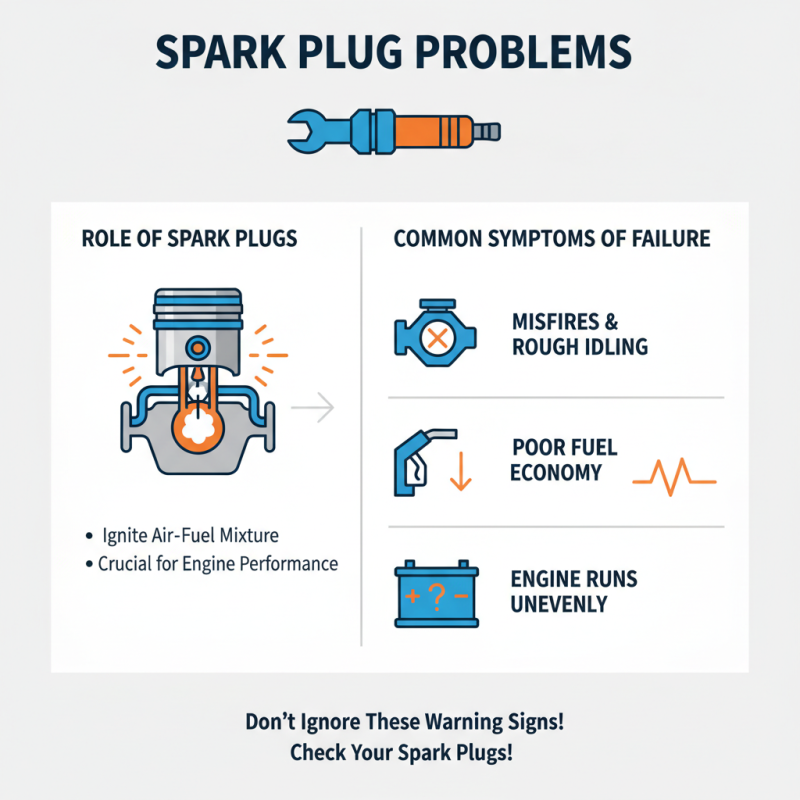
Spark plugs play a crucial role in the performance of your vehicle. They ignite the air-fuel mixture in the engine cylinders. When spark plugs fail, symptoms can vary widely. Common issues include misfires, rough idling, and poor fuel economy. You may notice your engine struggling to start or running unevenly. These are telltale signs that something is wrong.
Diagnosing spark plug problems requires a keen eye. One approach is to visually inspect the spark plugs. Look for deposits or wear. If they appear blackened, your engine may be running rich. White residue might signal that you have a lean condition. Overheating can cause the electrodes to erode quickly. In such cases, it’s important to check your cooling system too.
Listening to your vehicle is also important. Strange noises can indicate issues beyond the spark plugs. For example, a ticking sound could point to valve problems. It’s essential to regularly monitor these details. A small issue can grow into a larger problem if left unchecked. Keeping an eye on spark plugs will ultimately lead to a smoother ride.
Maintaining Spark Plugs for Optimal Vehicle Performance
Maintaining spark plugs is crucial for optimal vehicle performance.
These components ignite the air-fuel mixture in your engine. Over time, they can wear out or accumulate deposits. Regular checks can prevent performance issues. A quick inspection can reveal signs of wear, such as discoloration or carbon buildup.
Many drivers overlook Spark Plug Maintenance.
It's easy to forget during routine servicing. However, ignoring this can lead to misfires and reduced fuel efficiency. A simple cleaning or replacement might make a big difference. When replacing spark plugs, ensure they match the vehicle’s specifications. This step is often neglected, but it is vital.
Some may find it daunting to understand spark plugs' role.
Yet, with a little research, you can learn. Watch for changes in engine performance; they can signal problems brewing under the hood. Ignoring these signs can lead to bigger issues and costly repairs. Paying attention now can save headaches later.
Ultimate Guide to TECHIE Gas Spark Plugs: Replacing Champion RL15B #535 for Optimal Gas Engine Performance
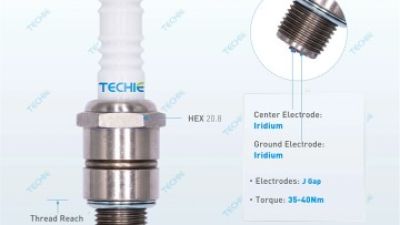
In the realm of gas engine performance, the spark plug is a crucial component that directly influences engine efficiency, power output, and overall longevity. The TECHIE Gas spark plug serves as a reliable alternative to the Champion RL15B #535, providing compatibility with various gas engines. High-quality spark plugs are essential for maintaining optimal combustion, and the TECHIE plug is engineered to enhance ignition reliability and thermal efficiency, ensuring that your engine operates at peak performance.
Industry reports indicate that using the appropriate spark plug can result in significant improvements in fuel economy, often improving consumption by up to 10%. The design of the TECHIE Gas spark plug has been optimized to deliver precise combustion results, reducing misfires and promoting smoother engine operation. Additionally, the materials and technology used in its construction allow for better heat dissipation and resistance to wear, translating to fewer replacements and lower maintenance costs over time.
With advancements in spark plug technology, replacing a standard option like the Champion RL15B #535 with the TECHIE Gas spark plug can result in improved engine responsiveness and reduced emissions. Studies suggest that modern spark plugs contribute actively to lower environmental impact by facilitating more efficient fuel burning. Therefore, selecting the right spark plug is not just about engine performance but also about adopting more sustainable practices in gas engine operation.
FAQS
: Think about your priorities. Reflect on long-term benefits. Evaluate potential outcomes thoroughly.
Practice deep breathing. Write down your feelings. Take regular breaks during work.
Aim for small, achievable milestones. Focus on specific tasks. Review your progress regularly.
It helps you allocate resources wisely. Good management reduces stress. It leads to better productivity.
Listen actively to others. Ask questions for clarity. Practice speaking in front of a mirror.
Identify the root cause of your lack of motivation. Break tasks into smaller steps. Reward yourself for progress.
Start small and be consistent. Track your daily routine. Reflect on your challenges and adjust.
Constant fatigue is a key sign. Emotional distance may occur. Decreased job performance can follow.
It helps you understand yourself. Reflecting can improve your decisions. It allows for personal growth over time.
If tasks overwhelm you, seek support. When emotional distress arises, don’t hesitate. Everyone needs assistance at times.
Conclusion
In the article "2026 Top Spark Plug For Your Vehicle: Choosing the Best Option," readers will gain a comprehensive understanding of the vital role spark plugs play in vehicle performance. The article delves into the different types of spark plugs—copper, platinum, and iridium—highlighting their unique characteristics and benefits. It outlines essential factors to consider when selecting the right spark plug for your vehicle, ensuring optimal ignition efficiency and engine performance.
Additionally, the article provides a detailed step-by-step guide on how to install spark plugs and identifies common issues that may arise, along with diagnostic tips to troubleshoot them effectively. By maintaining spark plugs properly, drivers can enhance their vehicle's performance and extend the lifespan of this critical component, making informed choices regarding their Spark Plug For 2026 needs.